

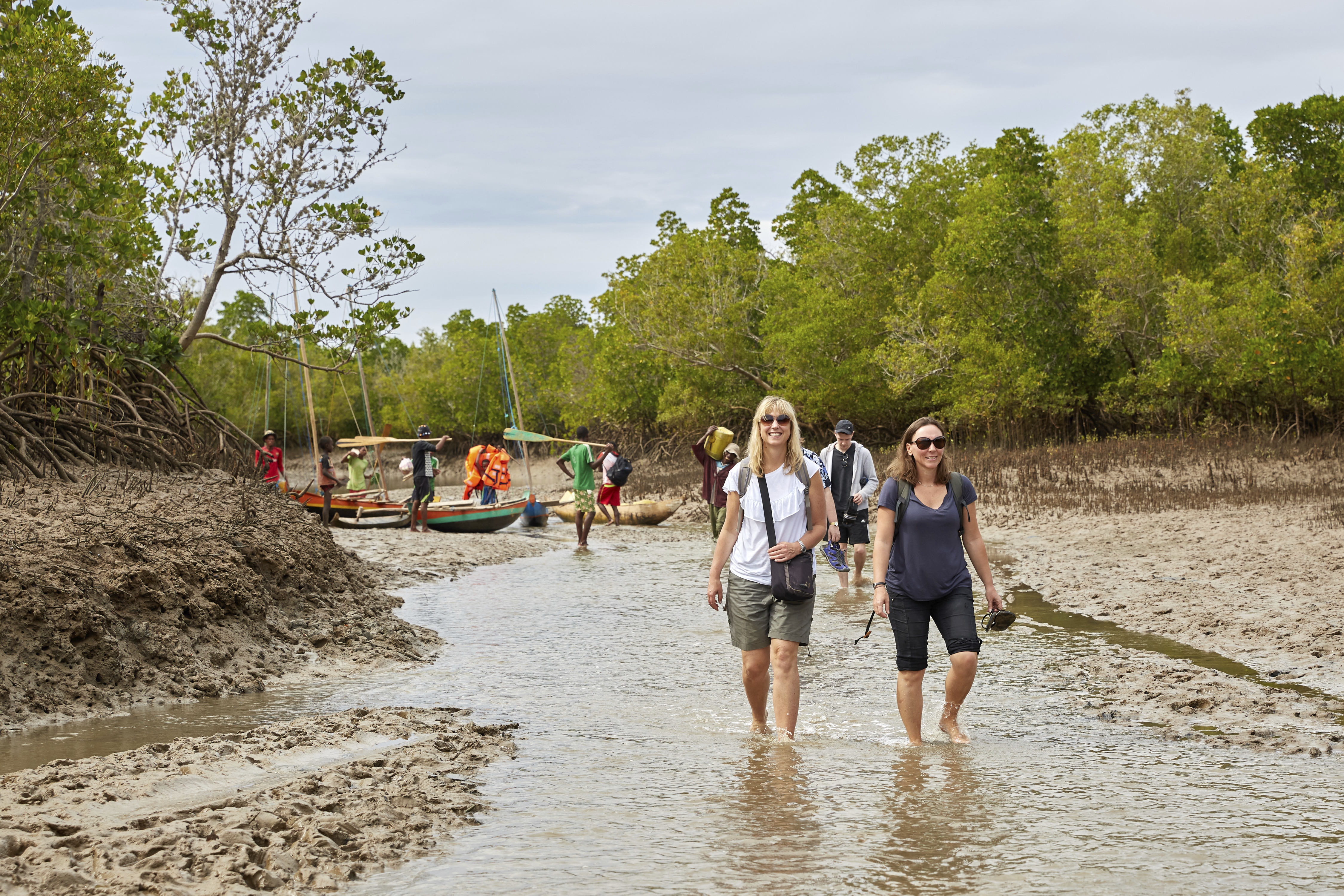
Ask someone when the best time to visit Madagascar is and chances are they'll answer September to November. While these months are undoubtedly fantastic, they're not the only time to experience everything the island has to offer.
The reality is that Madagascar can be confidently sold from the end of March right through to December, with each season offering its own highlights.
Whether your clients are hoping to trek through stunning national parks, unwind on idyllic beaches, encounter lemurs in the wild or swim alongside whale sharks, the best time to visit simply depends on what they want to experience.
Here's what to expect throughout the year.
End of March to June: The start of the dry season
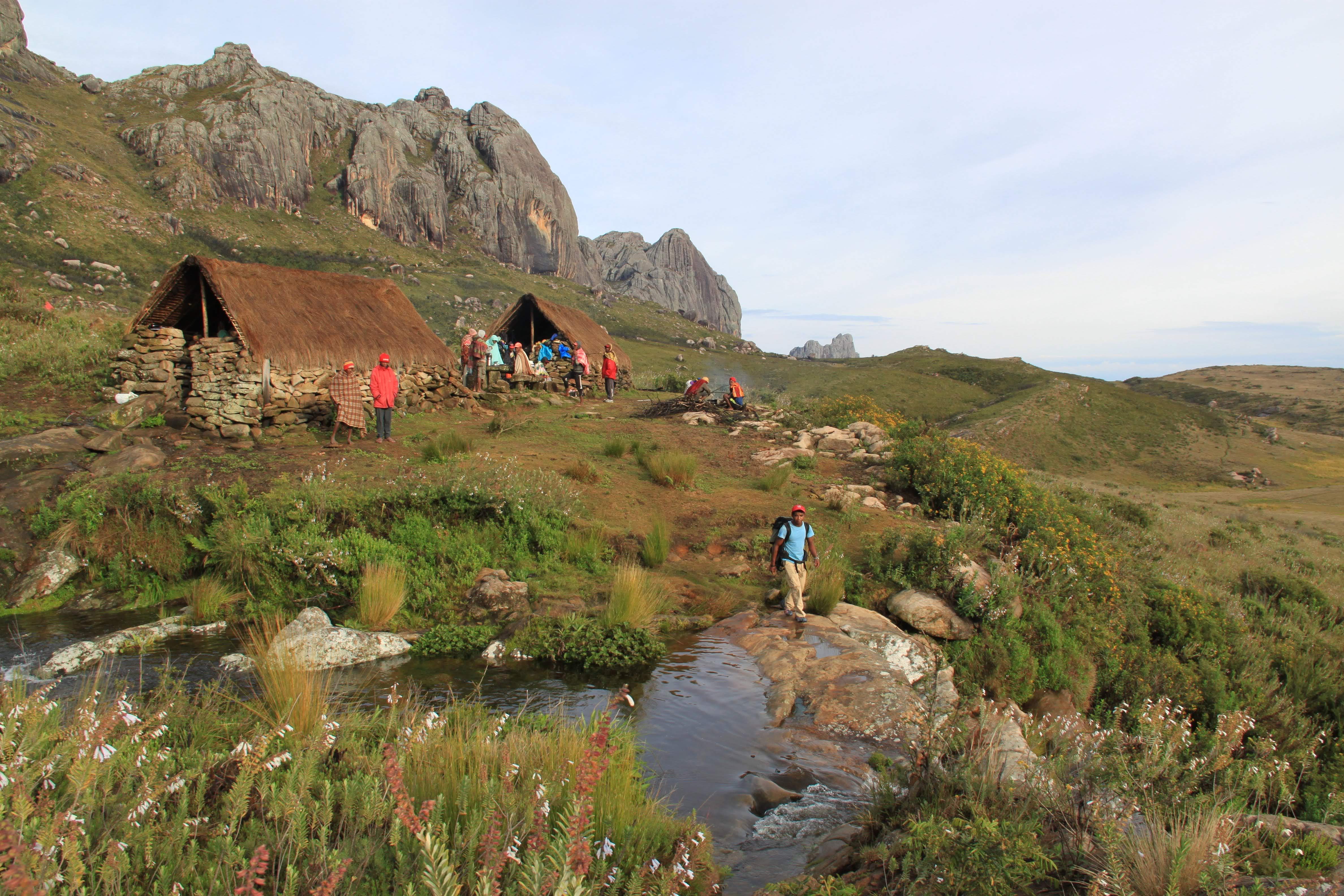
From the end of March, Madagascar begins to emerge from the rainy season and travel conditions improve across much of the country. As the dry season gets underway, roads become easier to navigate, national parks reopen and the island's landscapes remain beautifully green following the rains.
This is one of the best times for trekking through Isalo National Park or hiking in Andringitra National Park, while northern itineraries combining Diego Suarez (Antsiranana) and Nosy Be also benefit from warm, dry weather and comfortable travel conditions. The Tsingy de Bemaraha reopens in early June, when access becomes possible again after the rainy season and visitors can explore its striking limestone formations.
Lemurs, reptiles and Madagascar's endemic wildlife are all active, while lower visitor numbers compared to later in the year allow for a more relaxed experience.
Beach destinations such as Nosy Be also enjoy warm, sunny weather, making this the perfect time to combine adventure with coastal relaxation.
July to September: Whale watching and adventure
The middle of the dry season brings some of Madagascar's most reliable weather and unforgettable wildlife encounters. It is also the coolest period of the year, with average daytime temperatures of around 25°C, creating ideal conditions for trekking and other outdoor adventures.
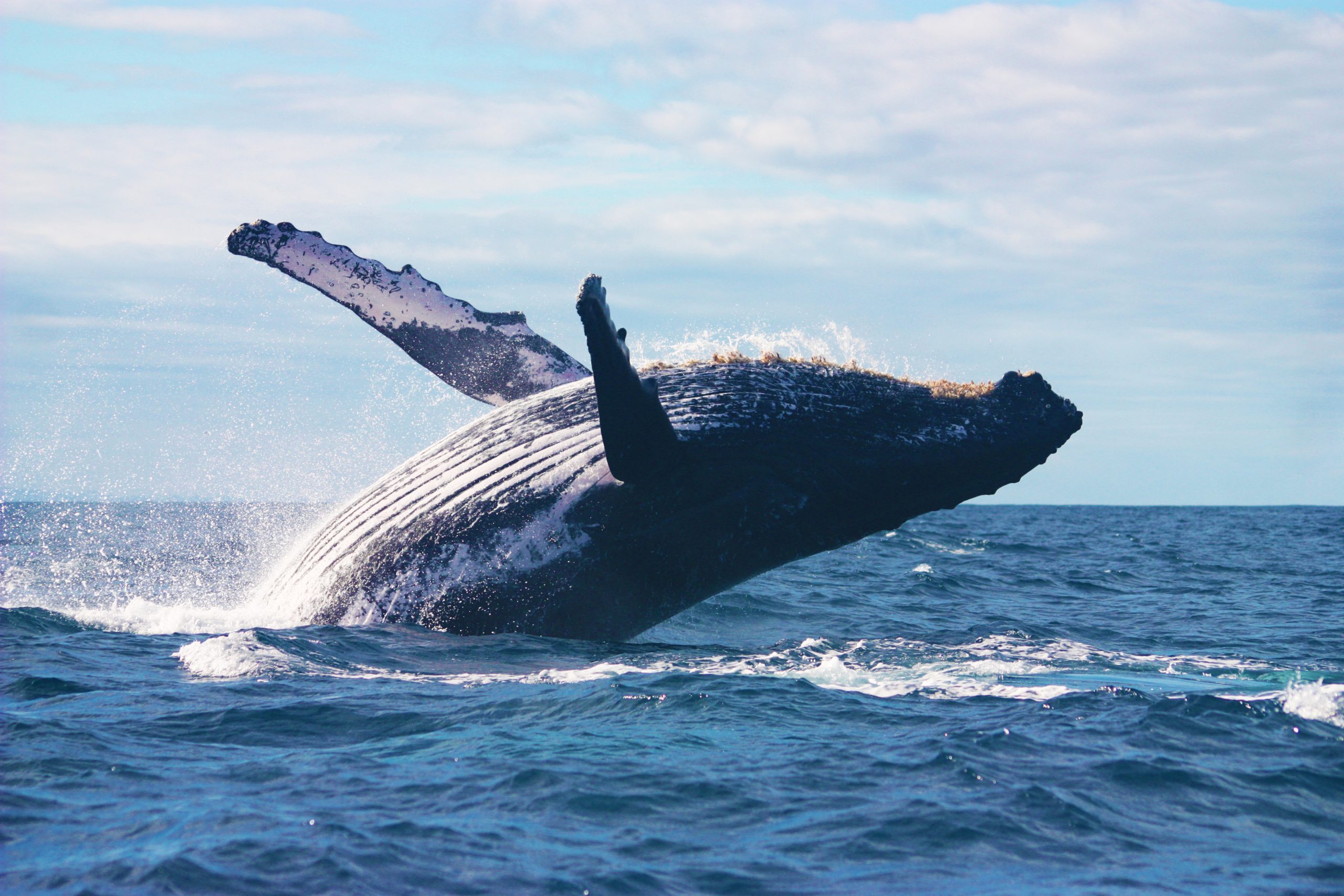
Between July and September, hundreds of humpback whales migrate to the waters around Île Sainte-Marie to breed and give birth. Sightings are reliable during the peak migration season, making this one of Madagascar's most iconic wildlife experiences.
September to November: Birdwatching and whale sharks
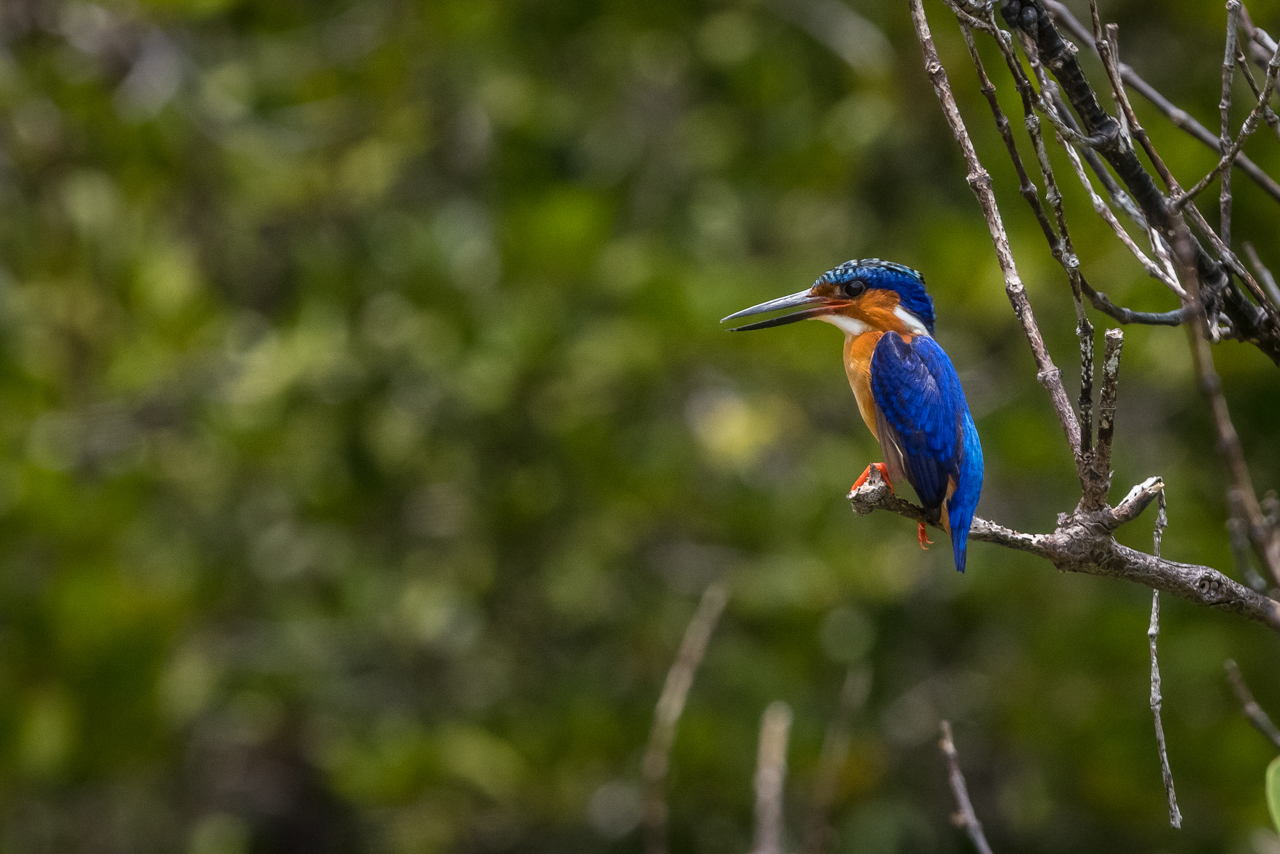
For birdwatchers, this is widely regarded as the best time to visit Madagascar. Migratory species from Europe and Asia, including swallows, bee-eaters, cuckoos, waders and raptors, arrive on the island, joining Madagascar's remarkable endemic birdlife.
It's also an excellent time to head to Nosy Be, where whale sharks begin arriving from October. Swimming alongside these gentle giants is an unforgettable experience, while dolphins, turtles and colourful coral reefs make this a fantastic season for snorkelling and diving too.
With dry weather continuing across much of the island, these months remain ideal for combining wildlife, adventure and coastal relaxation.
December: A winter sun escape
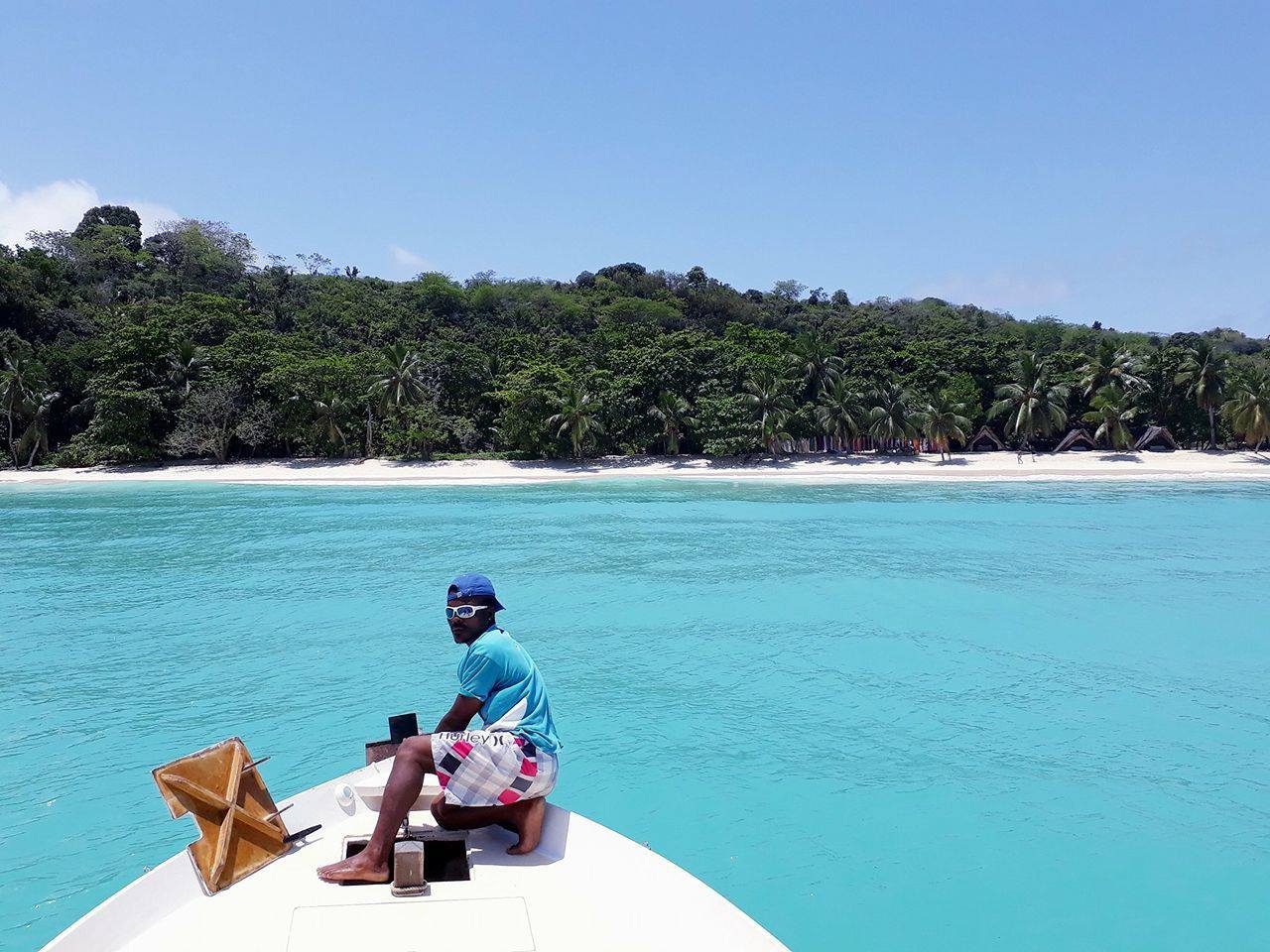
For European travellers looking to escape the colder months, December offers the perfect excuse to swap grey skies in the UK for Madagascar's warm beaches.
With high temperatures this is an ideal time for visitors to unwind in our coastal destinations, plus marine life continues to thrive around Nosy Be, making it an excellent time for snorkelling, diving and enjoying the Indian Ocean.
Madagascar with Tamana Company
At Tamàna Company, we understand that no two travellers are the same, and each trip to Madagascar should reflect that.
That’s why we have structured our expertise into four distinct brands - Tamana Classic, Tamana Adventure, Tamana Group and Tamana Kitchen. Each brand is carefully crafted to serve a particular travel style while drawing on specialist in-depth local knowledge and operational precision.
We will work with our partners to create tailor-made itineraries that make the most of Madagascar's changing seasons all throughout the year, ensuring clients enjoy the very best the island has to offer whenever they choose to travel.