

Often called the “eighth continent”, Madagascar has truly earned the title thanks to the incredible diversity and originality of its wildlife. Cut off from mainland Africa for around 165 million years, the island evolved in its own direction, allowing species to develop in ways found nowhere else on the planet. The result is something genuinely special, with more than 80 percent of its wildlife existing only here.
From the haunting call of the indri echoing through eastern rainforests to chameleons no bigger than a fingertip and baobab trees that dominate the western horizon, Madagascar’s ecosystems feel entirely distinct from those of mainland Africa. Each region presents its own micro world of endemic birds, reptiles, plants and mammals, creating a level of biodiversity that rivals entire continents.
For wildlife enthusiasts, this is what makes Madagascar so compelling. It is not simply about ticking off iconic species, but about exploring an island where nature has followed its own rules.
Read on to find out more about the top species you can spot here!
Lemurs: Madagascar’s ultimate wildlife icon
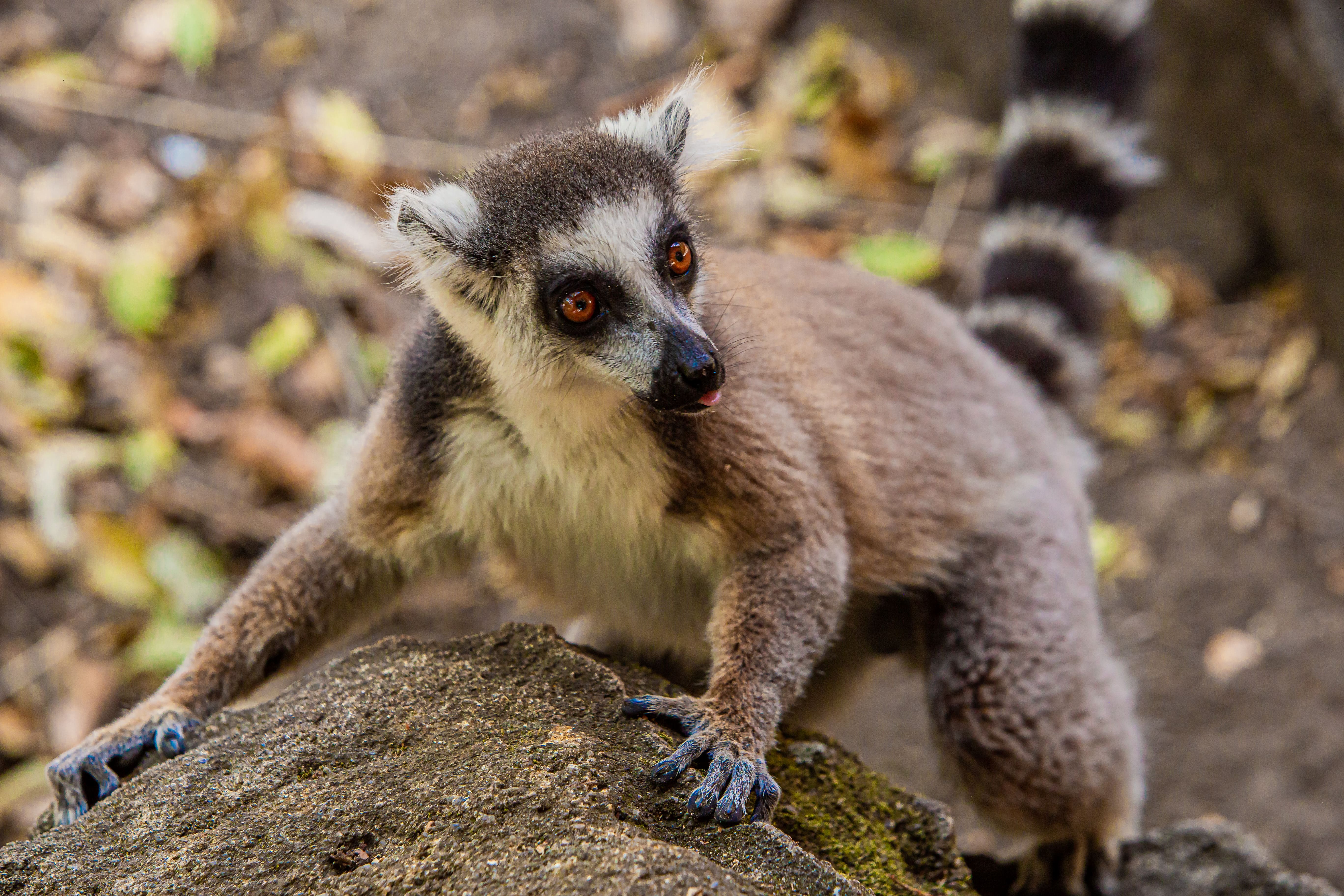
Madagascar’s wildlife has many highlights, but the one that comes first to mind is the lemur. With their soft fur, expressive eyes and curious nature, they can be seen observing visitors safely from their treetop perches.
Madagascar is home to over 100 species of lemur, each uniquely adapted to its environment. A few species include:
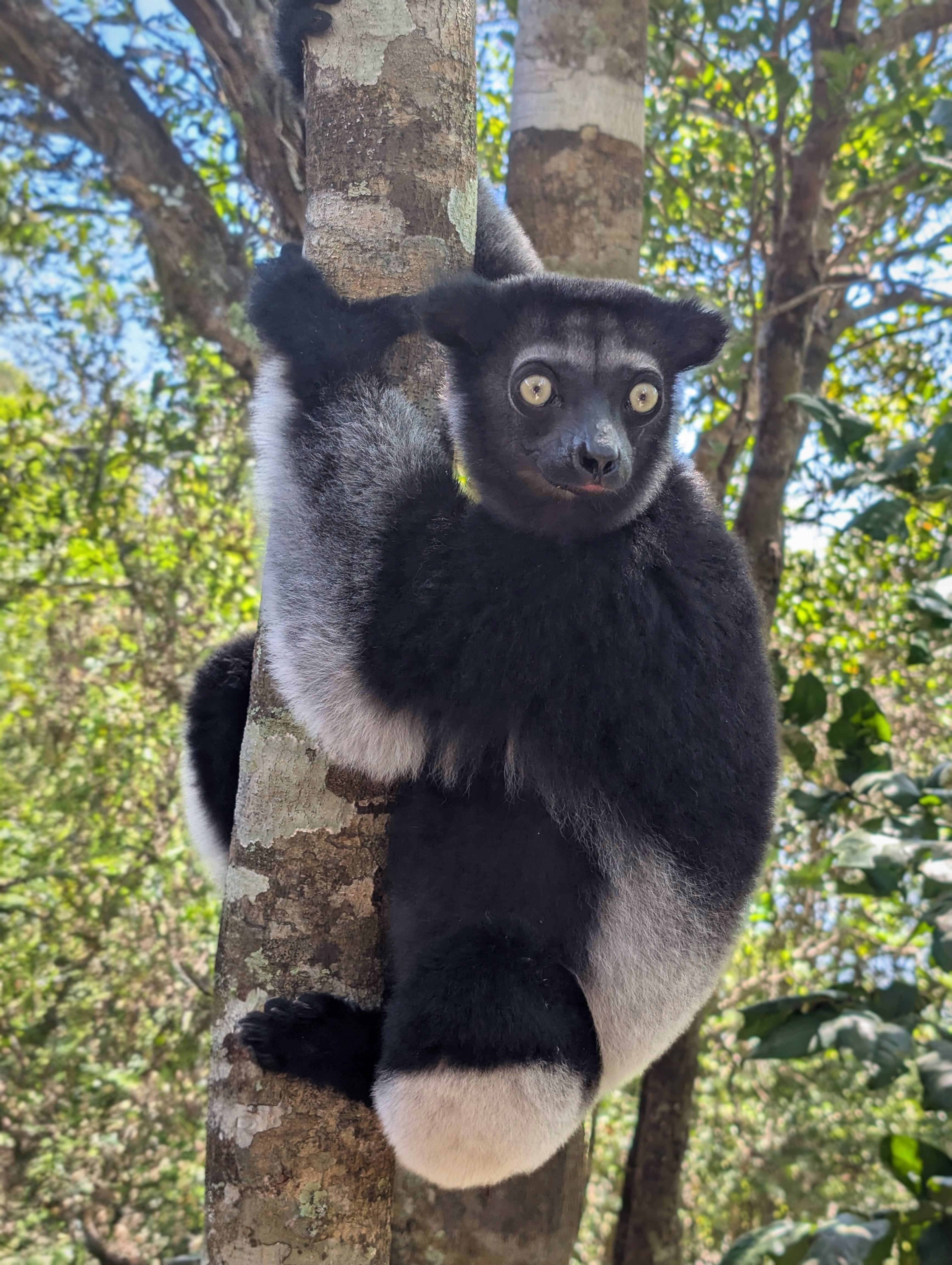
- Indri-indri – The largest living lemur, reaching up to one metre high. Its haunting, eerie call can be heard kilometres away through the rainforest.
- Aye-aye – Perhaps the most bizarre of all. The largest nocturnal lemur, instantly recognisable for its long, slender fingers, large ears and wide eyes.
- Verreaux’s Sifaka – Often called the “dancing sifaka,” famous for its sideways bouncing gait across the ground. You can find them in the south and southeast parts of the island.
Hearing indri calls at dawn, spotting a tiny mouse lemur on a night walk or watching a sifaka leap effortlessly between trees are moments that stay with travellers forever.
Just three to four hours from Antananarivo, Andasibe-Mantadia National Park is one of the best places to see the Indri-indri and it is also home to diademed sifakas, brown lemurs, colourful chameleons, tiny endemic frogs and a rich variety of birdlife.
Early morning walks are one of our favourite things to do where you can watch the mist rising through the canopy, sunlight filtering through the trees and hear indri families calling across the forest as the day begins.
Kirindy forest and the elusive fossa
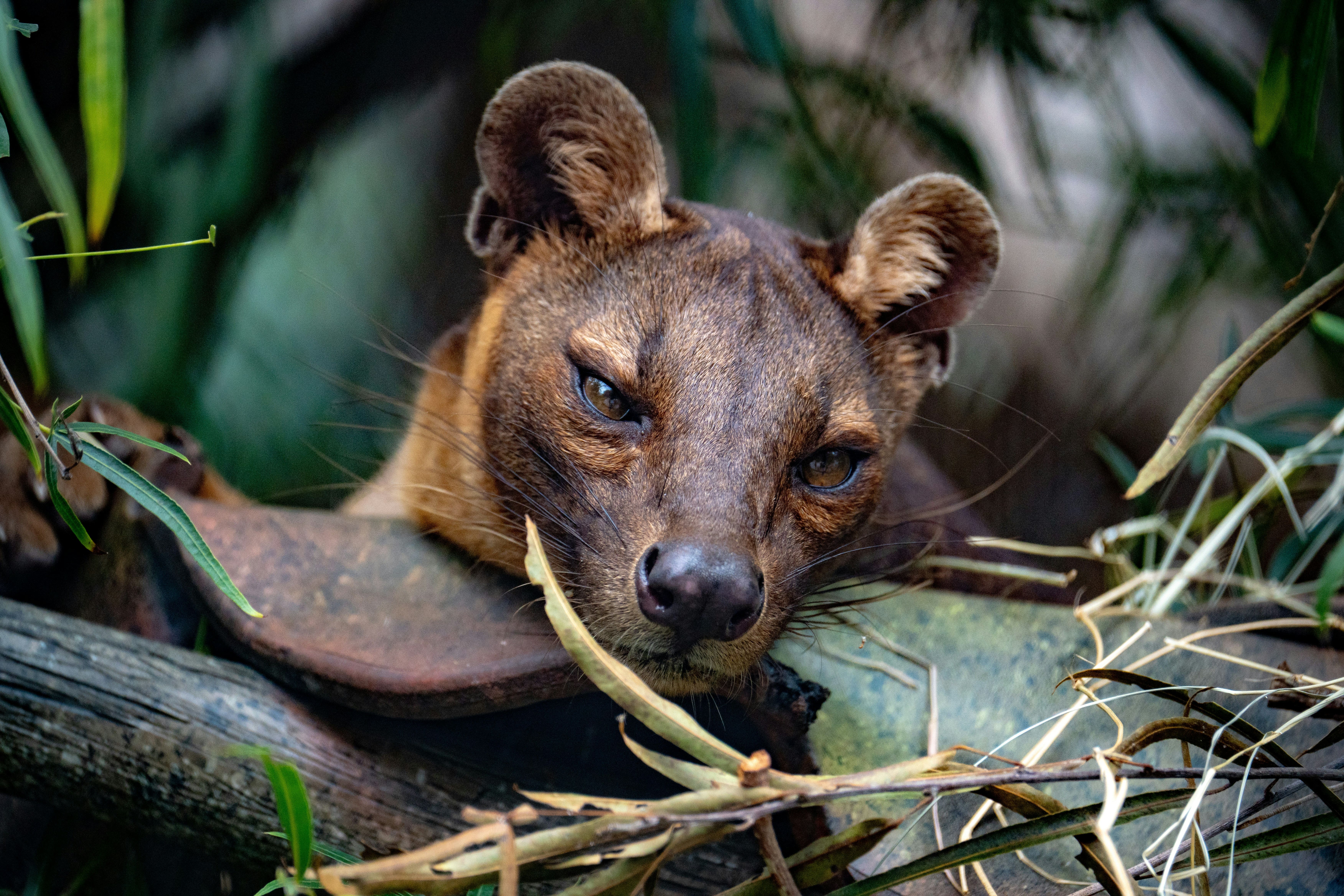
Endemic to Madagascar, the fossa is a powerful, agile hunter that can climb trees with ease and even descend headfirst down trunks in pursuit of prey. Despite its feline appearance, it is more closely related to the mongoose family and plays a vital role in maintaining the balance of the forest ecosystem.
One of the best places to see the elusive fossa is Kirindy Forest in western Madagascar, where the dry deciduous forest provides ideal habitat and sightings are among the most reliable on the island.
Typically reached via Morondava. Travellers often fly or drive from Antananarivo to Morondava before continuing by road, passing the iconic Avenue of the Baobabs en route. The journey itself becomes part of the experience, with changing landscapes and the opportunity to combine Kirindy with the Tsingy de Bemaraha or coastal extensions. Its relative remoteness adds to the sense of adventure and helps preserve the wild, uncrowded feel that makes sightings here so special.
Whale Watching in Sainte-Marie
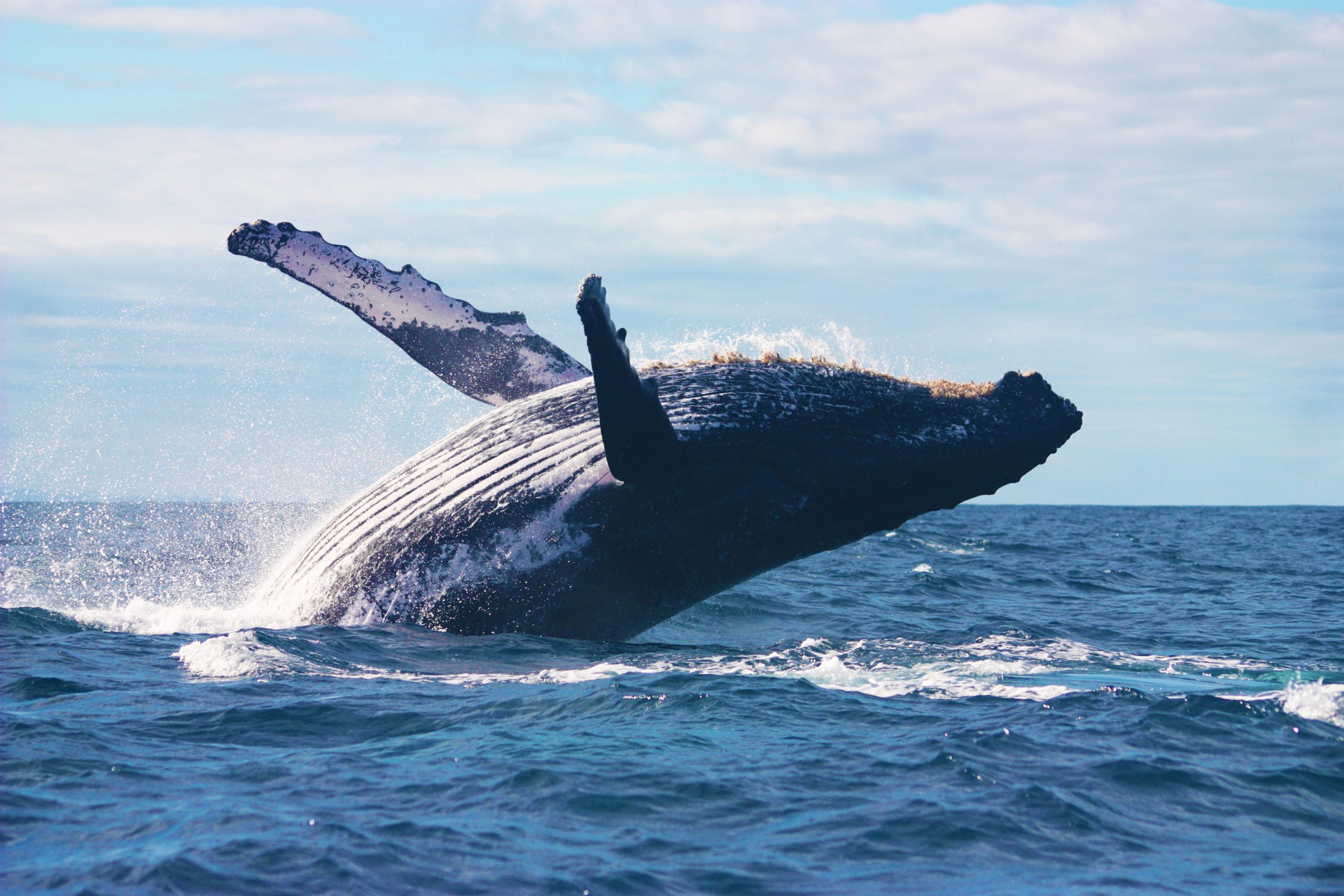
Madagascar’s biodiversity extends far beyond its forests. Between July and September, humpback whales migrate thousands of kilometres from Antarctic feeding grounds to the warm, sheltered waters along the island’s east coast to breed and give birth. Sainte Marie in particular has become one of the best places in the Indian Ocean to observe this extraordinary migration.
During this period, the ocean comes alive with activity. Males can often be heard singing their complex songs beneath the surface, while powerful breaches, tail slaps and fin waves dot the horizon. Witnessing a mother and calf travelling together, the young whale learning to surface and dive in calm tropical waters, is a truly moving experience and a unique contrast to Madagascar’s terrestrial wildlife encounters.
A biodiversity hotspot
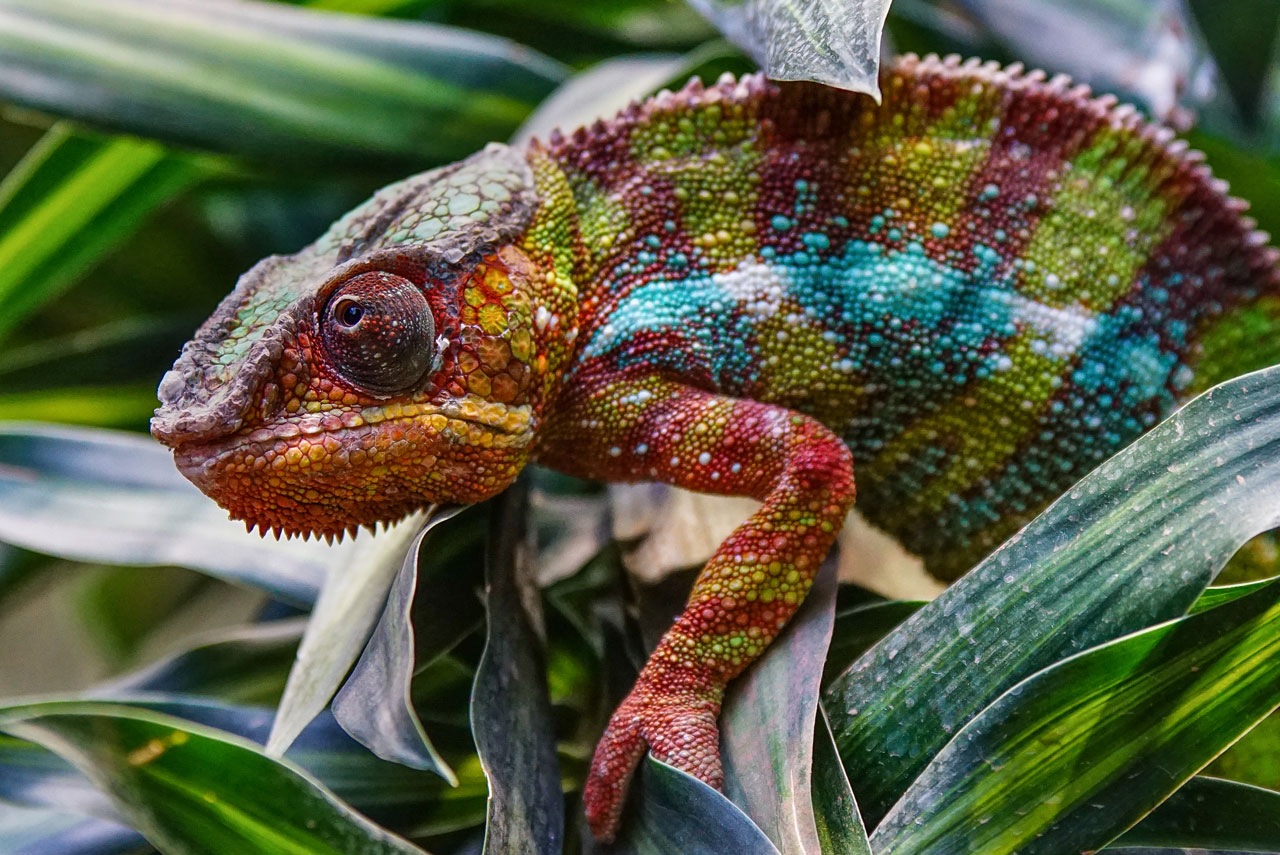
While lemurs may be a popular draw, Madagascar’s wildlife extends far beyond primates. The island is one of the world’s most important biodiversity hotspots, shaped by millions of years of isolation that allowed species to evolve in fascinating and often unexpected ways.
Did you know the island is home to:
• 115 bird species, including 39 endemics found nowhere else on Earth
• An extraordinary diversity of reptiles, from vividly coloured chameleons to leaf tailed geckos that vanish against tree bark
• Hundreds of amphibians, many astonishingly tiny and highly localised
• Over 13,000 plant species, with a vast number unique to Madagascar
For travellers who want to combine wildlife with other experiences, Madagascar offers incredible variety. A journey might include guided rainforest walks in Andasibe to spot indri at dawn, followed by time on the beaches of Sainte Marie during whale season. Guests could explore the limestone tsingy formations of Bemaraha, then unwind with a sunset stroll along the Avenue of the Baobabs. Cultural encounters in the Highlands, market visits in Antananarivo and hands on culinary experiences such as chocolate making with local producers can all be woven into a nature focused itinerary.
Wildlife Travel, Tailor-Made
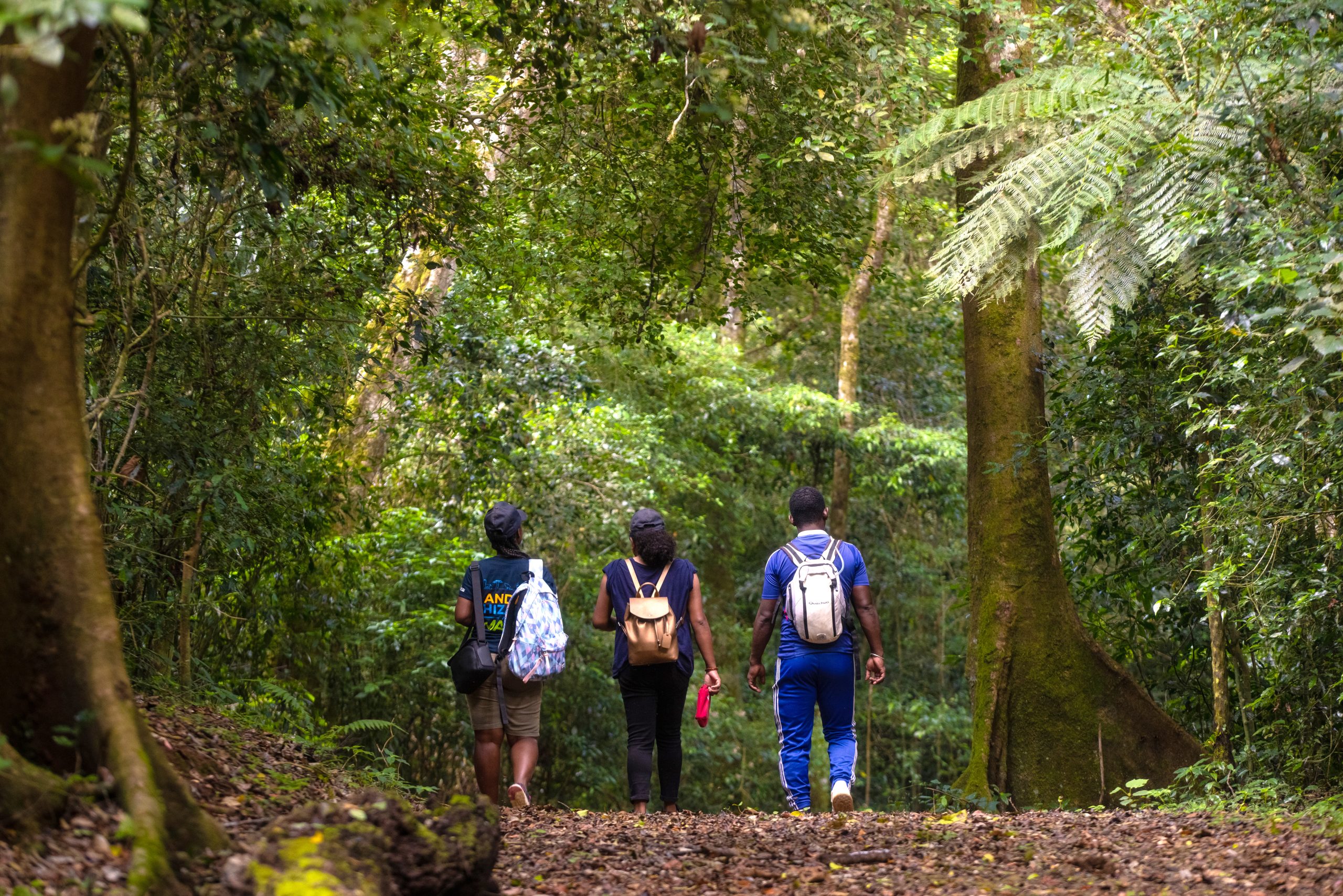
At Tamàna, we believe that exploring Madagascar’s wildlife should be as unique as the island itself.
All of our private guided wildlife tours are tailor-made to suit individual requirements, whether that means special interests, preferred accommodation style, specific logistical needs, transportation preferences or budget considerations. Every journey is led by recognised expert multilingual guides, ensuring both depth of knowledge and responsible exploration.
We operate small-group and private experiences designed to minimise environmental impact while maximising meaningful encounters. For us, wildlife travel is not just about what you see, it’s about how you see it!
To find out more about Tamàna Company and the services we offer, please get in touch at: infos@tamana-company.com